Preventing Pedestrian Deaths
Reading Time:
Most of us have heard of distracted driving, but combine that with an issue that nobody’s really talking about—distracted walking—and you have a recipe for real disaster.
What is Distracted Walking?
Distracted walking occurs when someone is walking outside without paying attention to their surroundings. According to the Governors Highway Safety Association (GHSA), “7,508 pedestrians were killed in traffic crashes in 2022.” If that doesn’t get your attention, this stat from GHSA might: Pedestrian deaths rose 77% between 2010 and 2021, compared to a 25% rise in all other traffic fatalities. In 2023, Arizona ranked #2 for pedestrians killed and Oregon ranked #17.
Why is This Happening?
Texting, talking on the phone and listening to music have made it easier to for pedestrians to be distracted while they are walking—but since pedestrians generally have the right-of-way, they don’t believe being hit by a car is their fault. In fact, according to the respondents of the American Academy of Orthopaedic Surgeons (AAOS) Distracted Walking Study in 2015, the percentage of people who believe they are part of the problem is very low. Only 29% admit they have an issue. For those who admit to being distracted, 48% of respondents say, “they just don’t think about it,” 28% feel “they can walk and do other things,” and 22% “are busy and want to use their time productively.” Drivers need to be aware of these attitudes and be more vigilant than ever before when it comes to watching out for pedestrians who may not be watching out for themselves.
Are Drivers Completely at Fault?
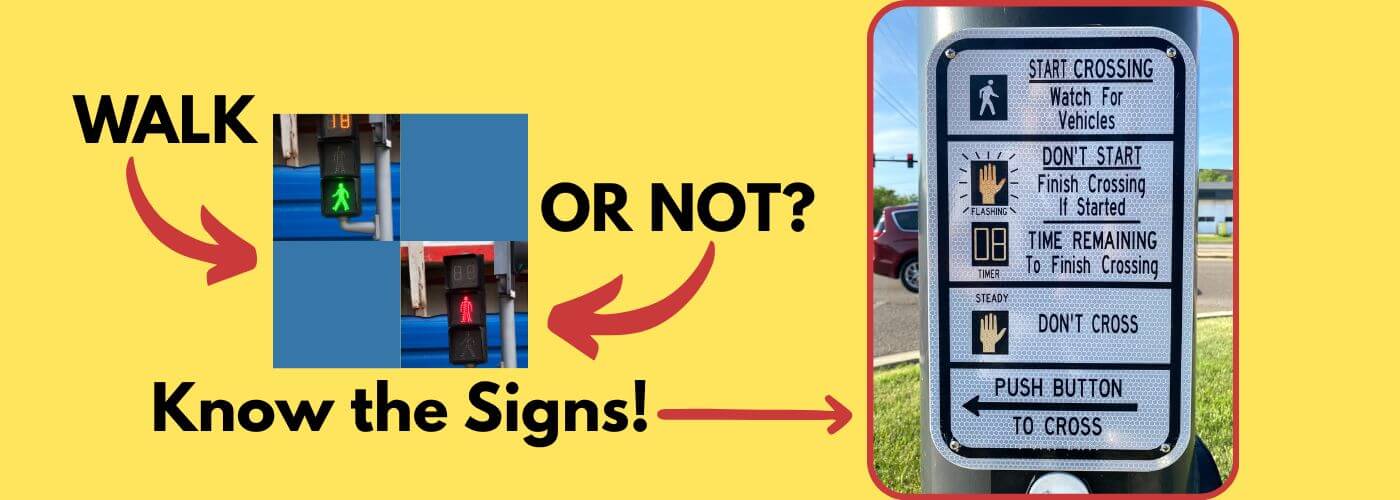
That depends on the situation, but believe it or not, pedestrians have to obey traffic laws too. Drivers know to yield to pedestrians in crosswalks and at intersections when they have the “Walk” signal. However, when a pedestrian crosses a road outside of an intersection, or they dart into traffic suddenly and the driver can’t stop in time, and when they cross against a “Do Not Walk” signal, they put themselves at risk for being hit by a car. Of course, common sense plays a role as well. Parents shouldn’t let kids—especially small children—play near a road or street. And as a driver, do you really want to be responsible for hitting someone?
Drivers and pedestrians should also be watchful in parking lots. So many people believe parked cars are just that—parked—and don’t think about the fact that they could be backing out, especially electric and hybrid vehicles since they are so quiet.
An Interesting Observation
Even though Arizona is the second highest state for pedestrian deaths, they are one of only a few states where autonomous taxis are available. Whether you are intrigued by autonomous vehicles or afraid of them, one brand is proving to be quite safe. Jonathan Adkins, CEO at Governors Highway Safety Association, said in a statement: "It's encouraging to see real-world data showing Waymo outperforming human drivers when it comes to safety. Fewer crashes and fewer injuries—especially for people walking and biking—is exactly the kind of progress we want to see from autonomous vehicles."
Prevention for Drivers and Pedestrians
Here are some good ways for drivers and pedestrians to stay safe and avoid tragedy:
- Don’t “pump up the volume”! If you are listening to music, podcasts, audiobooks, etc. Keep the volume at a reasonable level so you can hear approaching vehicles.
- Wait until you’re out of traffic to make phone calls, text or do any other activity that distracts you.
- If you’re driving, don’t speed through high-traffic areas, areas where there could be a lot of pedestrians or parking lots.
- Pedestrians should not jaywalk.
- Don’t look down! This applies to driving, walking, riding a bike or riding a scooter.
- Pedestrians should wear reflective clothing at night or use a light to help you see and help vehicles to see you.
- Pedestrians should stay alert in parking areas and be aware that new vehicles are quiet and can sneak up on you with little to no notice.
Surprised by what you read in this article? Pass it along to friends and family to help lower these statistics and save lives.