Gauging Proper Tire Inflation
Reading Time:
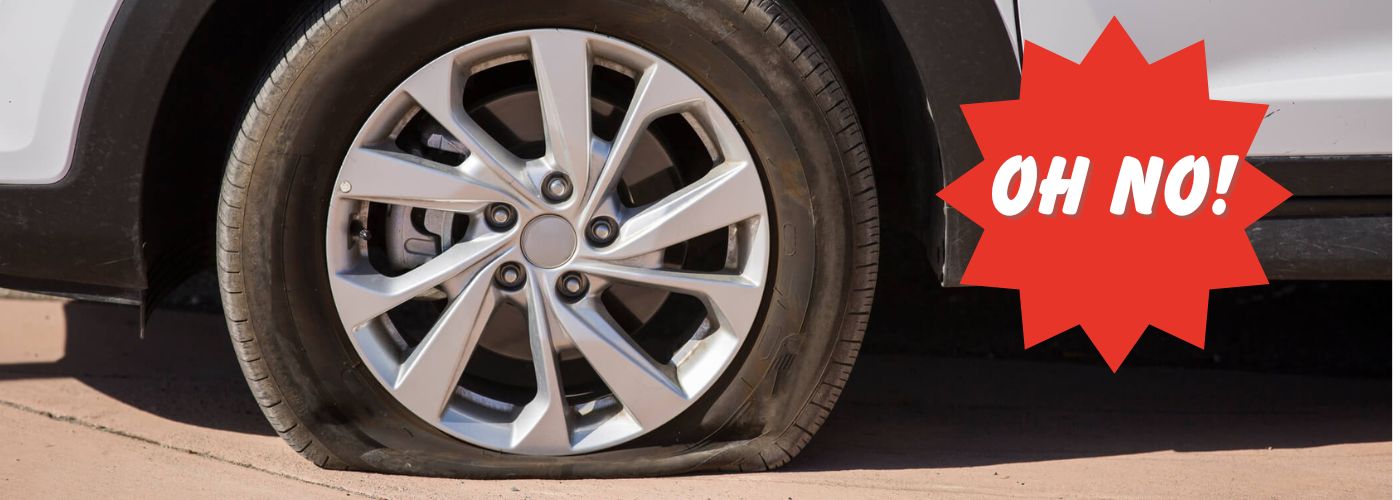
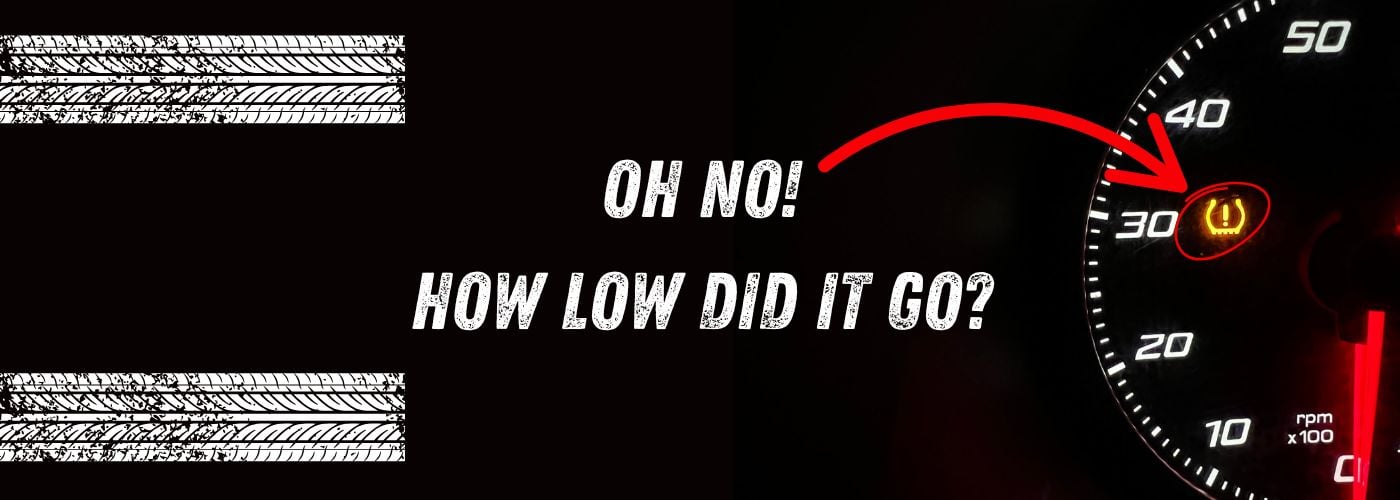
Oh, joy! Your tire pressure light just turned on. You might think ignoring it is okay, and compared to other maintenance lights that could come on, it may not require your immediate attention. However, it’s not unimportant, and it shouldn’t be ignored for too long.
Why it Matters
If your tires aren’t properly inflated, it could make your car more difficult to handle. You may have to brake further back than usual and you could have a blowout, which would be very dangerous. Ignoring the fact that a tire is not properly inflated can also reduce its life. Tires are expensive, so why would you want to replace one earlier than necessary? If those reasons aren’t enough, consider this: Properly inflated tires can improve your car’s fuel efficiency. According to the U.S. Department of Energy, keeping your car tires at the recommended pressure can improve your gas mileage by up to 3%. In a season where gas prices are around $3.00 per gallon, that results in a savings of $1.80 every time you fill up a 20-gallon tank. If you fuel up once per week, that's an annual savings of $93.60.
How to Check It
Some cars have sensors on each tire so that when your Tire Pressure Monitoring System (TPMS) light turns on, it tells you exactly which tire is low. However, TPMS sensor batteries last 5-7 years and then need to be replaced. If you have one on each tire, they may all four need to be replaced at once. If you just have one, it may not tell you which tire is affected, but you only need to replace one sensor when the batteries die. If you have one that doesn’t specify which tire is problematic, you will need to check each one. Sometimes you will find it’s more than one tire that needs to be inflated or have air released.
To check it, remove the valve cap on your tire, place a tire pressure gauge on the valve stem, press firmly, and read the gauge's PSI reading, comparing it to the manufacturer's recommendation. The recommended tire pressure is usually found on a sticker in the driver's side doorjamb or the glove box, as well as in your owner's manual.
Once you’ve identified the problem tire, you can refill it with air (if it’s low) using an air compressor. These can usually be found at gas stations or convenience stores. Some are free, some are not. Be careful not to overinflate your tires though—doing so can lead to blowouts, poor handling and uneven tire wear. If you aren’t comfortable checking it yourself, you can stop at any tire store—most will check the pressure and adjust it accordingly for free. You’ll be on the road again in no time!