New Car Safety Tech: Helpful or a Hindrance?
Reading Time:
There was a time, not so long ago, when the latest advance in automobile safety was airbags. Fast forward to the 21st century and technology has given us many more automobile safety features to help us avoid accidents. Some of these are alerts designed to draw your attention to a situation that could cause an accident, which some people find distracting. Others will take action for you. Here's a list of the most common crash avoidance technologies and what they do:
- Adaptive Cruise Control - Helps keep your car at a safe distance from the car in front of you when you are using cruise control so you don't have to brake. Some drivers find this to be more of an annoyance and want to control their own cruise speed.
- Automatic Emergency Braking - This feature alerts you when you should stop to avoid an accident. If you don't stop in time, the brakes will be applied for you.
- Blind Spot Warning - This alerts you if there's a vehicle in your blind spot, and has been shown to reduce lane-change crashes by 14%.
- Collision Warning/Avoidance - Also known as Forward Collision Warning, this feature alerts you if you are about to hit a person or an object. Collision Avoidance systems alert you and apply the brakes if you don't do it in time.
- Lane Departure Warning (LDW)/Lane Keep Assist - Lane Departure Warning alerts you if you leave your lane unintentionally. Lane Keep takes it one step further by steering you back into your lane or applying brakes. A study by the Insurance Institute for Highway Safety (IIHS) shows this feature reduced involvement rates in crashes of all severities (18%), in those with injuries (24%), and in those with fatalities (86%).
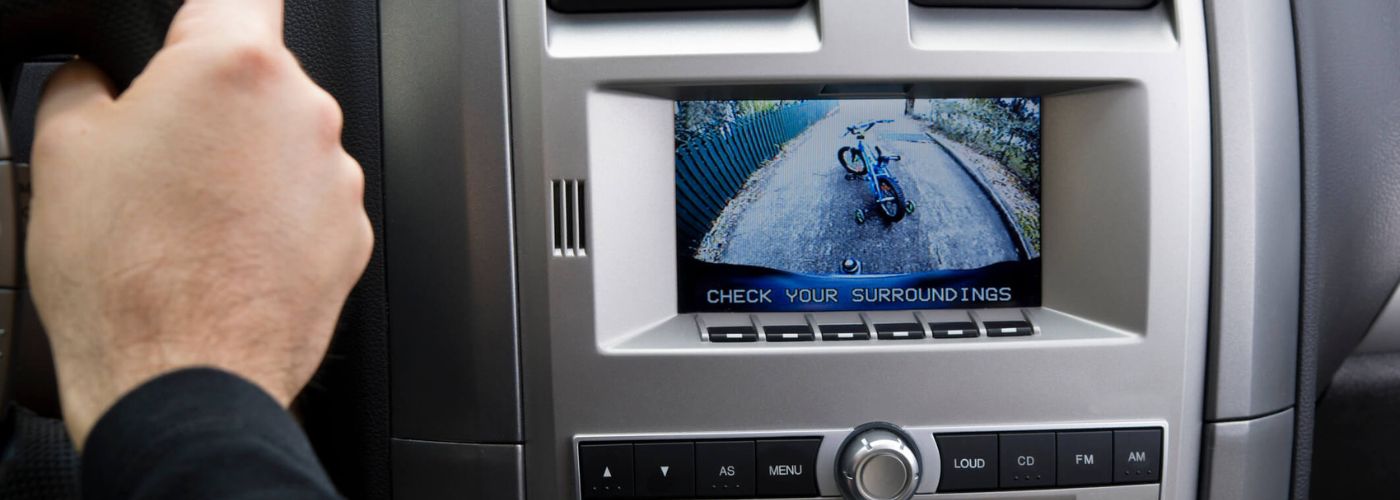
- Forward and Rear Cross Traffic Warning - Alerts you if something is behind you or about to be behind you while you are backing up.
So…Helpful or a Hindrance?
According to LexisNexis Risk Solutions, insurance companies have seen a 27% decrease in the number of bodily injury claims and a 19% decrease in property damage claims for vehicles with advanced driver assistance systems. Despite this, some people still see them as a hindrance. Here are some pros and cons:
PRO: Safety – Looking at the stats above, you can see that advanced safety features are effective. Many people appreciate them once they get used to them.
CON: New Technology is Not Infallible – Advanced safety features don’t work perfectly 100% of the time. Some drivers become too reliant on it and let it replace human intelligence, which is essential in case the technology fails.
CON: Some drivers find it distracting and turn it off where they can.
So are advance driver safety features a help or a hindrance? The answer to that question is subjective because everyone has different preferences and different willingness to learn new technology, but do those preferences outweigh safety? Although some of the technology isn’t perfect, it works well enough to see a decrease in accidents, so in the end it’s probably worth it.
.jpg)